
Events
Holiday and cultural fireworks
Community holidays, cultural festivals and seasonal events, planned around your traditions, your audience and your site.
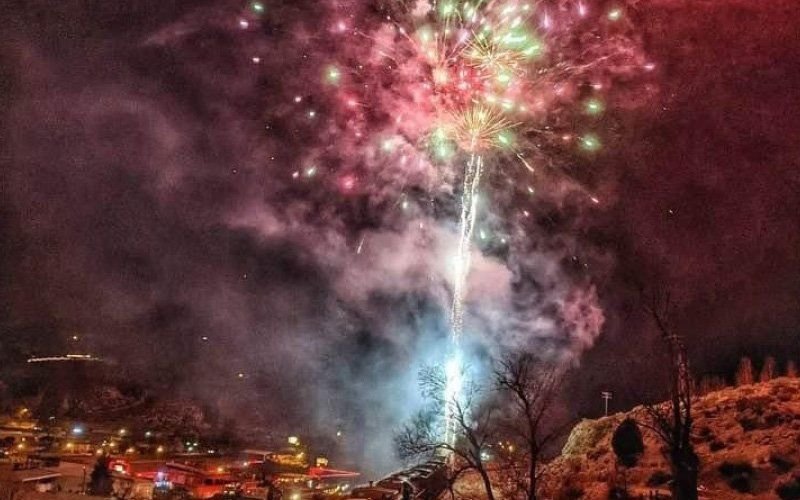
Holidays and cultural celebrations carry their own rhythm. A tree lighting, a heritage day or a seasonal festival each has a moment when the crowd gathers, a piece of music people know, and a sense of what is respectful and what is joyful. Fireworks work best at these events when they follow that rhythm instead of competing with it.
Organizers often come to us with a simple question: can a short display fit our program? The answer starts with listening. We ask about the order of the evening, who is in the audience, and what the day means to the people attending, then shape a show of the right length and tone.
Not every celebration needs fireworks, and that is a fair thing to say out loud. A show makes sense when it gives people a shared moment to look up together. It makes less sense when the evening is meant to be quiet, when the site is too tight, or when the neighbors would be surprised. We would rather talk that through with you at the start than build something that does not belong.
When a show does belong, the details are what people remember. A short display set to a hymn, a folk song or a children’s chorus can feel more personal than a long one set to a pop mix. Organizers who bring us that kind of detail get a show that feels like theirs, not like a generic add-on to the evening.
TODO: client to supply: Event photos
What we do for celebration organizers
Our best-known work is the choreographed display, where the bursts are timed to music from the first note to the last. That approach suits celebrations well, since the soundtrack can be a traditional piece, a community choir recording or a playlist chosen by the organizers. We also design close-proximity effects for stages and smaller grounds. Placeholder. TODO: confirm with client (Confirm which holiday and cultural celebrations the firm has delivered)
We do not want to overstate our record here. If you host a celebration with its own customs, tell us what matters and what to avoid, and we will say plainly what is possible on your site.
Seasonal events add their own practical points. Many take place in cold or wet weather, at night, in public squares or parks where families arrive early to hold a spot. That calls for a launch area that is well away from the crowd, a clear plan for entry and exit, and a decision on what happens if the weather turns. Those answers belong in the plan long before the day arrives.
It also helps to name one person from your committee as the contact for the show. When a single person holds the schedule, speaks for the organizers and knows the site, decisions on the day move quickly and nothing falls between volunteers.
- Displays choreographed to music chosen by the organizers
- Close-proximity effects for stages and smaller grounds
- Shows sized for a short program slot or a full evening
- Placeholder. TODO: confirm with client (confirm holiday and cultural celebrations delivered)
Planning tips
Honor the tradition
Talk with community elders, clergy or committee leads about timing, so the show lands at a fitting point and not during a quiet or sacred moment.
Think about sensitive listeners
Young children, older guests and pets all react to loud bursts. Tell the neighborhood in advance and ask about quieter effect choices. Placeholder. TODO: confirm with client (confirm low-noise options)
Tell the community early
Post the date, time and viewing areas through the usual channels so neighbors are not surprised. Placeholder. TODO: confirm with client (confirm notice requirements with the local authority)
Choose the music with care
A familiar piece makes the show feel like part of the celebration. Share your choice with us early so the timing can be built around it.
Plan for the weather
Seasonal celebrations often fall in cold, wet or windy months. Agree on a backup plan and a way to tell your guests quickly if the show is moved or shortened. Placeholder. TODO: confirm with client (confirm backup date policy)
Name one contact
Pick one person on your committee to speak for the organizers on the day. A single contact keeps the schedule clear and helps the crew answer questions in seconds.
What to expect
Months out
Listening first
We learn about your celebration, your audience and the site, and talk through what a show could add.
Weeks out
Music and plan
You choose the music and the length. We prepare the show plan and confirm approvals with the venue and town. Placeholder. TODO: confirm with client (confirm who files approvals)
Event week
Program check
We confirm the cue with your program lead and the weather outlook with your team.
Show day
Setup and show
The crew prepares the site while the grounds are quiet, then fires the show on your cue.
Afterward
Cleanup and notes
The grounds are checked and cleared, and we gather your thoughts for the next year.
From our shows
4 photos. Select any photo to view it full size.
Common questions
When should a town start planning its July 4th fireworks?
Well before the season. Choosing a site, agreeing a budget, getting local approvals and announcing the date all take time, and good dates are in demand. Many towns begin in the off-season so nothing is rushed when summer arrives.
What makes a good launch site for a community show?
A good site is open, with clear space around the launch area and room for spectators to watch from a safe distance. Access for the crew, a place to keep the public back and a view that works for the crowd all matter. A site visit with the fire official is the best way to confirm it.
What happens if a town show is rained out?
Most towns pick a rain date in advance. Light rain alone does not always stop a show, but lightning, strong wind or unsafe conditions can. The decision is made on the day with safety first, and the rain date should be announced to the public ahead of time.
Keep planning
Holidays & cultural events
Tell us about your celebration
Tell us what the day means and how the evening runs. Our short planning form takes about two minutes.